
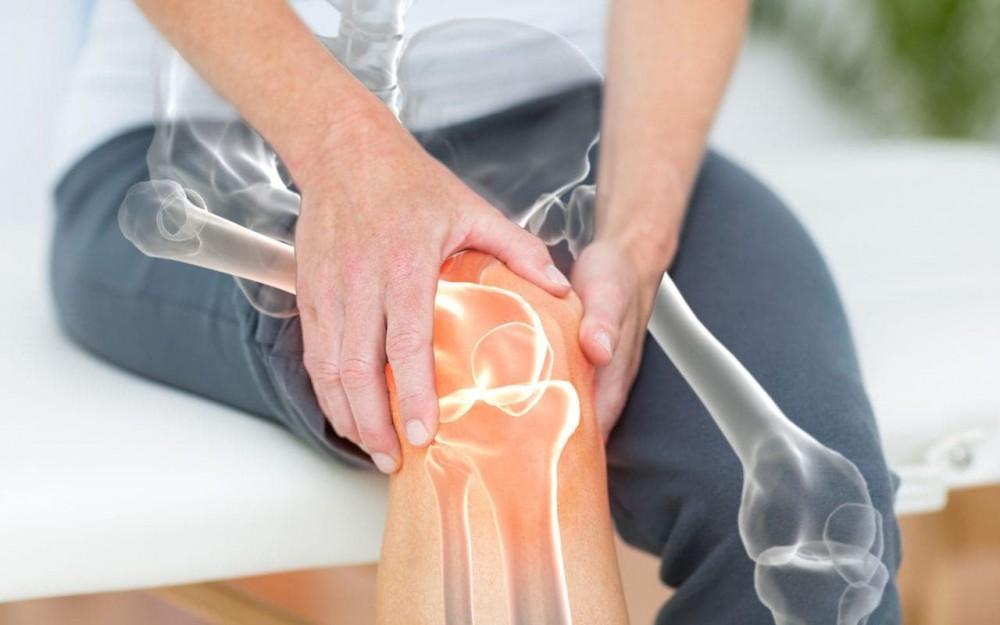
Is Physiotherapy Good for Arthritis?
Arthritis is one of the most common conditions affecting Canadians, and for many people it raises an important question: is it better to rest and protect the joints, or to keep moving? The answer, supported by a substantial body of research, is that appropriate movement and targeted exercise are among the most beneficial things a person with arthritis can do.
Physiotherapy is well-established as an effective approach for managing arthritis. It does not reverse the underlying joint changes, but it can significantly reduce pain, improve how joints move, and help people stay active and independent for longer. This article explains how physiotherapy helps with arthritis and what treatment typically involves.
Understanding Arthritis
Arthritis is not a single condition — it is an umbrella term that covers more than 100 different conditions affecting joints and the surrounding tissue. The two most common forms are osteoarthritis and rheumatoid arthritis.
Osteoarthritis involves the gradual breakdown of cartilage within the joint, most commonly affecting the knees, hips, hands, and spine. It tends to develop slowly over time and is strongly associated with aging, though it can occur in younger adults as well, particularly following injury.
Rheumatoid arthritis is an autoimmune condition in which the immune system attacks the lining of the joints, causing inflammation, pain, and structural damage over time. It can affect multiple joints simultaneously and involves periods of flare and remission.
Both conditions can cause joint pain, stiffness, reduced range of motion, and difficulty with daily activities — and both respond meaningfully to physiotherapy as part of a comprehensive management approach.
Joint Stiffness
One of the most limiting aspects of arthritis for many people is joint stiffness — that familiar tightening and reduced ease of movement, often most pronounced in the morning or after periods of rest. Stiffness can make it difficult to get going in the morning, rise from a chair, or move comfortably through daily activities.
Physiotherapy addresses joint stiffness through a combination of hands-on treatment and movement-based strategies. Manual therapy techniques, including gentle joint mobilization and soft tissue work, can help restore movement to restricted joints and reduce the tightness that builds up in surrounding muscles and connective tissue.
Just as importantly, physiotherapy provides guidance on how to manage stiffness at home — including warm-up strategies, daily movement routines, and advice on how to pace activity throughout the day to keep joints from seizing up during periods of inactivity.
Movement Strategies
Living well with arthritis involves learning how to move in ways that support joint health rather than aggravate it. This is where movement strategies — practical techniques for managing daily activities with less pain and less joint stress — become genuinely valuable.
A physiotherapist will assess the way you move during everyday tasks and identify habits or patterns that may be placing unnecessary stress on affected joints. From there, they can teach modified movement techniques that allow you to continue doing the activities that matter to you while protecting the joints involved.
This might include advice on how to distribute load more evenly across joints, how to use assistive devices appropriately, how to position the body during common activities such as sitting, lifting, or climbing stairs, and how to adjust recreational activities to remain manageable and enjoyable despite arthritis.
Movement strategies are particularly valuable because they empower patients to take an active role in managing their condition — reducing dependence on passive treatments and building skills that carry over into daily life.

Strengthening
Strong muscles are one of the most effective protections for arthritic joints. When the muscles surrounding a joint are strong and functioning well, they absorb a greater share of the load placed on that joint during movement. This reduces stress on the joint itself and can significantly reduce pain during activity.
Strengthening exercises are a central component of physiotherapy for arthritis and are tailored carefully to each patient’s current capacity, the joints involved, and any other health considerations. For someone with knee osteoarthritis, for example, the program will typically focus on the quadriceps, hamstrings, and hip muscles — all of which contribute to how the knee is loaded during walking, stair climbing, and other daily tasks.
Strength training for arthritis does not need to be intense to be effective. Exercises are introduced gradually and progressed at a pace that is appropriate for the individual, ensuring that loading the joint feels manageable and that progress builds sustainably over time. Many patients are surprised to find that carefully structured exercise reduces rather than increases their pain.
Pain Management
Pain is the symptom that most significantly affects quality of life for people with arthritis, and managing pain effectively often requires more than one approach working together. Physiotherapy contributes to pain management in several meaningful ways.
Hands-on techniques such as manual therapy, soft tissue mobilization, and — where appropriate — acupuncture or dry needling can provide direct relief from pain and muscle tension. These treatments are particularly useful during flare-ups or in the earlier stages of care when pain levels are higher.
Exercise, while sometimes approached with apprehension by people in pain, is itself one of the most well-supported strategies for reducing arthritis pain over time. Regular, appropriate movement helps maintain joint fluid circulation, reduces inflammation, and supports the release of natural pain-modulating chemicals in the body.
Education is also a key part of pain management in physiotherapy. Understanding the nature of arthritis pain — including the difference between the discomfort of appropriate exercise and pain that signals a need to modify activity — helps patients make more informed decisions about how to stay active. Learning to pace activity, plan rest strategically, and manage flare-ups with practical strategies gives patients greater control over their condition and reduces the anxiety that often accompanies persistent pain.
What to Expect from a Physiotherapy Assessment for Arthritis
At your first appointment, your physiotherapist will take time to understand your symptoms, the joints involved, your medical history, and how arthritis is affecting your daily life. They will assess range of motion, strength, and the way you move during functional tasks, and use this information to develop a personalized treatment plan.
Treatment plans for arthritis are adjusted over time as your symptoms and capacity change. What is most helpful in the early stages of care — when pain and stiffness may be more significant — may look different from what is needed several weeks in, when the focus shifts toward building strength and long-term self-management.
Living Well with Arthritis
Arthritis is a chronic condition, and managing it well is an ongoing process rather than a single course of treatment. The habits and strategies developed through physiotherapy — regular appropriate exercise, movement techniques, activity pacing, and self-management skills — are what make the most meaningful difference over the long term.
Many people with arthritis find that with the right support, they are able to maintain an active and fulfilling lifestyle. The goal of physiotherapy is not to eliminate arthritis, but to reduce its impact on what you are able to do and how you feel day to day.
Frequently Asked Questions
Is exercise safe when my joints are already painful? In most cases, yes — with the right guidance. Appropriate exercise is one of the most beneficial things you can do for arthritic joints. Your physiotherapist will prescribe exercises that are suitable for your current level of symptoms and ensure they are introduced in a way that does not aggravate your pain.
Will physiotherapy help both osteoarthritis and rheumatoid arthritis? Yes, though the approach may differ. Physiotherapy is beneficial for both types of arthritis, with treatment adapted to the specific joints involved, the pattern of symptoms, and any medical management already in place. For rheumatoid arthritis, physiotherapy works alongside medical treatment rather than replacing it.
How many sessions will I need? This varies depending on the severity of your symptoms, the joints involved, and how you respond to treatment. Your physiotherapist will discuss a realistic plan with you at your first assessment and review it as your care progresses.
Can physiotherapy help if my arthritis is severe? Yes. Physiotherapy is appropriate across a wide range of arthritis severity. Treatment is always adapted to what a patient can currently manage, with the aim of gradually expanding capacity over time. Even in cases where surgery is eventually considered, physiotherapy plays a valuable role in both preparation and post-surgical recovery.
Should I see a physiotherapist during an arthritis flare-up? It can be worthwhile. Your physiotherapist can provide hands-on treatment to help manage pain during a flare, advise on how to modify activity appropriately, and ensure your home exercise program is adjusted to reflect your current symptoms.
Physiotherapy for Arthritis in Newmarket and York Region
Arthritis can be challenging to live with, but it does not have to mean giving up the activities and routines that matter to you. With an individualized physiotherapy plan built around your specific joints, symptoms, and goals, meaningful improvement in pain, movement, and daily function is achievable.
Spectrum Physiotherapy is based in Newmarket and serves patients with arthritis throughout York Region. Each patient receives a personalized assessment and a treatment plan tailored to their condition and lifestyle. Whether you are managing early-stage osteoarthritis or a more complex arthritic condition, our team is here to help you move better and feel better.
Contact us to book an assessment and find out how physiotherapy can support your arthritis management.



Leave a Reply
Want to join the discussion?Feel free to contribute!