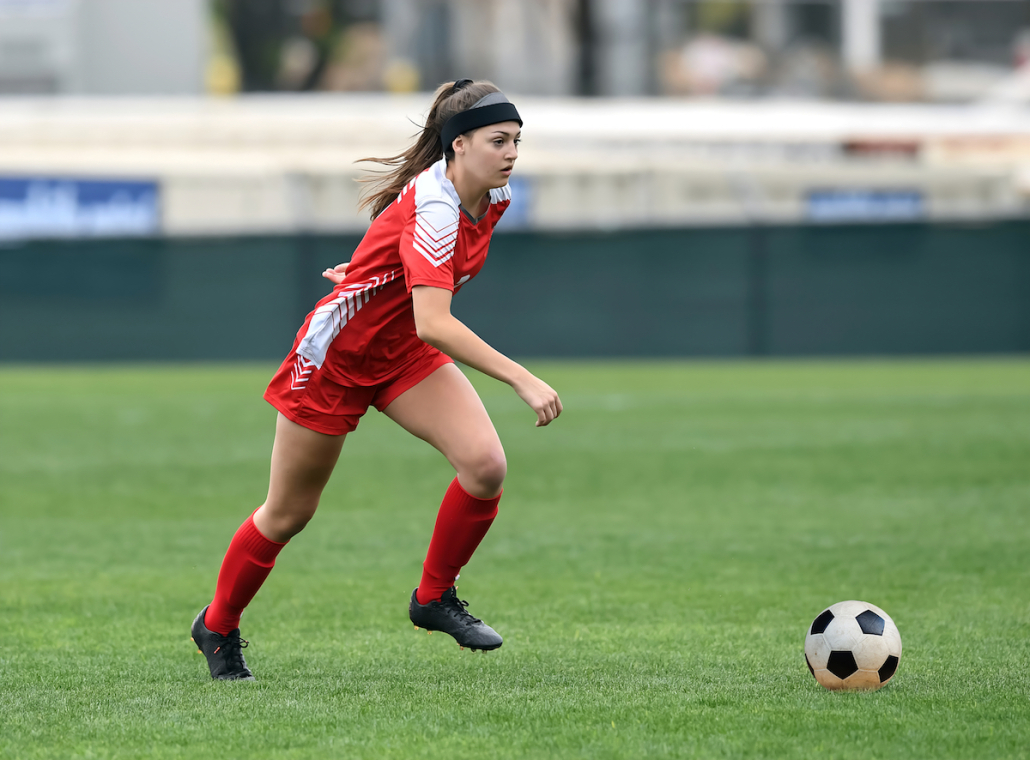
Physiotherapy for Soccer Injuries

If you’re a player or fan of the world’s most popular sport of soccer, you probably already know by now there are certain injury risks involved with playing the game. Whether you just play the game for fun or are a seasoned professional, you’re often open to the same types of injuries. These can include aches, bruises, and sprains as well as more serious injuries such as concussions, muscle tears, torn ligaments and broken bones. However, most soccer-related injuries can be treated by the proper physiotherapy techniques and you’ll find yourself back on the pitch in no time.

From youth leagues to adult recreational teams, the sport offers excellent cardiovascular benefits and promotes teamwork. However, the combination of running, cutting, jumping, and physical contact inherent in soccer makes players susceptible to a variety of injuries.

For Newmarket residents participating in this beloved sport, understanding how physiotherapy can help prevent and treat soccer-related injuries is crucial for maintaining an active lifestyle. Whether you’re a competitive player in York Region’s leagues or enjoy casual matches at Newmarket’s community fields, knowing when and how physiotherapy can assist will help keep you in the game season after season.

How Physiotherapy Helps Soccer Players in Newmarket

Soccer injuries require specialized assessment that considers the unique demands of the sport. Physiotherapists in Newmarket evaluate not just the injured area but your entire movement pattern to identify contributing factors.

A thorough soccer injury assessment typically includes:

  • Detailed history of your soccer participation and injury development
  • Evaluation of relevant joint mobility and muscle strength
  • Analysis of sport-specific movements like cutting, kicking, and jumping
  • Examination of biomechanical factors that may predispose you to injury

Based on findings, your physiotherapist creates an individualized treatment plan incorporating manual therapy, targeted exercises, and modalities to reduce pain and inflammation while addressing underlying movement dysfunctions.

physio newamrket soccer injuries

When to Seek Physiotherapy for Soccer Injuries

With soccer injuries, timely physiotherapy intervention leads to better outcomes and faster return to play. Many players make the mistake of trying to “run off” minor issues, which often leads to more significant problems and longer recovery times.

Consider physiotherapy assessment if you experience:

  • Pain that persists more than 48 hours after playing
  • Recurrent discomfort with specific soccer movements
  • Decreased performance due to compensation patterns
  • Any acute injury sustained during play

For Newmarket soccer players, addressing minor issues before they become major problems can be the difference between a brief recovery and a season-ending injury.

Common Soccer Injuries and Their Causes

Ankle Sprains and Instability

Ankle injuries are among the most frequent in soccer, accounting for approximately 20% of all soccer-related injuries. They typically occur during cutting maneuvers, landing from jumps, or when a player steps on an opponent’s foot.

These injuries commonly happen due to:

  • Sudden changes in direction on uneven playing surfaces
  • Improper landing mechanics after heading the ball
  • Collisions with other players
  • Inadequate ankle stability and proprioception

Symptoms range from mild pain and swelling to severe discomfort and inability to bear weight. Without proper rehabilitation, players often develop chronic ankle instability, making them prone to repeated sprains.

Knee Injuries (ACL, MCL, Meniscus)

The knee is particularly vulnerable in soccer due to the pivoting, cutting, and sudden directional changes required. Anterior Cruciate Ligament (ACL) tears, Medial Collateral Ligament (MCL) sprains, and meniscus injuries are common and often season-ending for players.

Contributing factors include:

  • Non-contact pivoting movements with the foot planted
  • Direct impact to the side of the knee
  • Poor landing mechanics after jumping
  • Muscle imbalances, particularly between quadriceps and hamstrings
  • Playing on artificial turf, which can increase knee injury risk

Female soccer players in Newmarket should be especially vigilant, as research shows they experience ACL injuries at rates 2-8 times higher than their male counterparts due to biomechanical and hormonal factors.

Hamstring Strains

Hamstring injuries are frustratingly common in soccer, particularly during sprinting or stretching to control the ball. These injuries have a high recurrence rate if not properly rehabilitated.

Hamstring strains typically result from:

  • Explosive acceleration during a sprint
  • Reaching forward to tackle or intercept a pass
  • Muscle fatigue, especially late in matches
  • Previous hamstring injuries
  • Inadequate warm-up routines

Players often describe feeling a sudden “pop” or pulling sensation in the back of the thigh, followed by pain and difficulty walking normally.

Groin Strains

The groin muscles (adductors) are essential for lateral movement and ball control in soccer. Groin strains typically occur during kicking, sudden changes in direction, or reaching to tackle.

Common causes include:

  • Powerful kicking mechanics, especially long passes and shots
  • Quick side-to-side movements
  • Muscle imbalances between adductors and abductors
  • Poor flexibility in the hip region
  • Inadequate strength in core stabilizers

Groin injuries can be particularly troublesome as they often develop gradually and become chronic if not addressed early.

FAQ

What are the most common soccer injuries treated with physiotherapy?

The most common soccer injuries treated at Spectrum Physiotherapy include ankle sprains, ACL and MCL knee injuries, meniscus tears, hamstring strains, and groin strains. These injuries are typically caused by the sprinting, cutting, jumping, and physical contact involved in the sport. Each patient receives an individualized assessment and a customized treatment plan designed around their specific injury and return-to-sport goals.

How long does it take to recover from a soccer injury with physiotherapy?

Recovery time varies depending on the type and severity of the injury. Minor muscle strains and ankle sprains may recover within a few weeks with consistent physiotherapy, while more significant injuries such as ACL tears or hamstring strains can take several months to fully rehabilitate. At Spectrum Physiotherapy in Newmarket, your physiotherapist will assess your injury thoroughly and provide a realistic recovery timeline tailored to your individual needs.

Do I need a referral to see a physiotherapist for a soccer injury in Ontario?

No referral is needed to see a physiotherapist in Ontario. Soccer players in Newmarket and across York Region can contact Spectrum Physiotherapy directly to book an assessment. If you plan to submit through insurance or a third-party benefits provider, it is worth confirming whether your plan has any specific requirements before your first appointment.

Can physiotherapy help with ACL and knee injuries from soccer?

Yes. Physiotherapy is a key part of recovering from soccer-related knee injuries, including ACL tears, MCL sprains, and meniscus damage. Treatment focuses on reducing pain and swelling, restoring joint mobility, rebuilding strength in the surrounding muscles, and correcting the movement patterns that may have contributed to the injury. Your physiotherapist will also guide your return-to-play progression to reduce the risk of re-injury on the pitch.

Can physiotherapy help prevent soccer injuries, not just treat them?

Absolutely. In addition to treating existing injuries, physiotherapy plays an important role in injury prevention for soccer players. A physiotherapist can identify biomechanical imbalances, muscle weaknesses, and movement dysfunctions that increase your injury risk — and develop a targeted program to address them. Many players at Spectrum Physiotherapy work with our team between seasons or during training to stay strong, mobile, and ready to perform throughout the year.

Have a Question?

Get an answer from one of our health professionals

Copyright 2017 © Spectrum Physiotherapy. Powered by 3Bug Media