
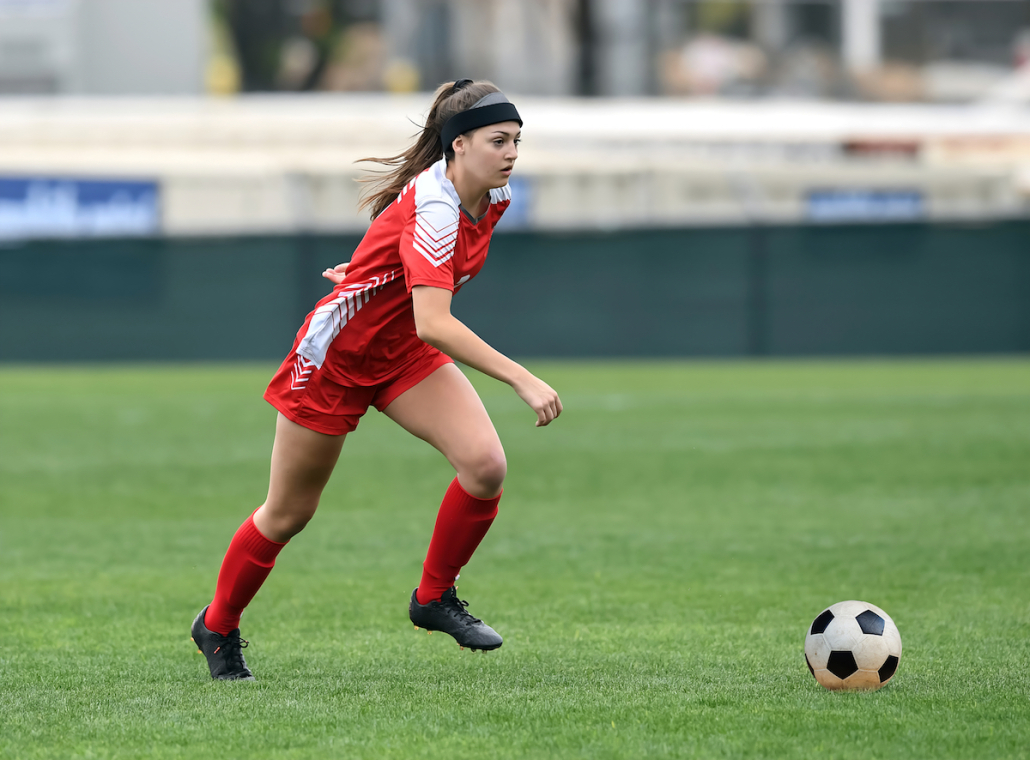
Common Soccer Injuries Treated in Physiotherapy
Soccer is one of the most widely played sports in Canada, enjoyed by athletes of all ages and skill levels — from recreational weekend players to competitive youth and adult league participants. It is also a sport that places significant physical demands on the body, combining sustained running with rapid changes of direction, jumping, kicking, and physical contact. As a result, soccer injuries are common and span a wide range of tissues and body regions.
The good news is that many of the most frequent soccer injuries respond well to physiotherapy. With an accurate assessment and a structured rehabilitation plan, most players are able to make a full recovery and return to play with confidence. For athletes in Newmarket and across York Region, access to a sports injury clinic that understands the demands of the game can make a meaningful difference in how quickly and completely recovery unfolds.
Ankle Sprains
Ankle sprains are among the most common soccer injuries seen in physiotherapy. They typically occur when the foot lands awkwardly — after a jump, a challenge, or contact with uneven ground — causing the ligaments on the outside of the ankle to be overstretched or torn.
Ankle sprains range from mild to severe depending on the degree of ligament damage involved. While minor sprains may resolve relatively quickly, more significant sprains require a structured rehabilitation program to ensure the ankle regains full strength, stability, and proprioception — the body’s ability to sense position and movement — before a return to play.
Without adequate rehabilitation, ankle sprains have a high rate of recurrence. Physiotherapy addresses not just the initial healing but the underlying stability and neuromuscular control that protects the ankle from future injury.
Knee Ligament Injuries
The knee is one of the most vulnerable joints in soccer, subjected to high forces during cutting, pivoting, and contact situations. Ligament injuries — particularly to the anterior cruciate ligament (ACL) and the medial collateral ligament (MCL) — are serious soccer injuries treated with physiotherapy as a central part of recovery.
ACL injuries often require surgical reconstruction, and physiotherapy is a critical component of both pre-surgical preparation and post-surgical rehabilitation. The return to play process following an ACL injury is lengthy and structured, involving progressive strength and conditioning, neuromuscular training, and sport-specific movement rehabilitation.
MCL injuries, while often less severe, still require careful management to ensure full healing and a safe return to the demands of the game. Physiotherapy guides the rehabilitation process from the acute phase through to full sport participation.
Hamstring Strains
Hamstring strains are extremely common in soccer, occurring most often during sprinting or kicking when the muscle is subjected to a sudden, high-intensity load. They range from mild strains involving a small number of fibres to more significant tears that require extended recovery time.
Recurrence is a major concern with hamstring injuries. Athletes who return to play before the muscle has fully recovered and been adequately rehabilitated are at substantially higher risk of re-injury. Physiotherapy for hamstring strains focuses on progressive loading of the healing muscle, restoring full strength and flexibility, and ensuring the athlete can meet the physical demands of soccer before returning to competition.
Groin Strains and Hip Flexor Injuries
The repetitive kicking, cutting, and lateral movement involved in soccer places considerable demand on the muscles of the groin and hip. Groin strains and hip flexor injuries are common soccer injuries treated with physiotherapy, particularly in players who train heavily or experience sudden increases in training load.
These injuries can become chronic and difficult to manage if not properly treated. Physiotherapy addresses the injury itself alongside the contributing factors — such as hip weakness, movement patterns, and training load — to support full recovery and reduce the likelihood of recurrence.
Shin Splints
Shin splints, or medial tibial stress syndrome, cause pain along the inner edge of the shinbone and are frequently seen in soccer players, particularly those who have recently increased their training volume or changed playing surfaces. The condition involves stress to the bone and surrounding tissue from repetitive impact and loading.
Physiotherapy for shin splints includes load management, addressing lower leg mechanics, and a graduated return to running and sport. Ignoring shin splints and continuing to train through them can increase the risk of a stress fracture, making early assessment and appropriate management important.
Patellofemoral Pain (Runner’s Knee)
Patellofemoral pain — discomfort around or behind the kneecap — is common in soccer players due to the high volume of running and the repeated loading of the knee during cutting and jumping movements. It is often related to weakness in the hip and quadricep muscles, which affects how the kneecap tracks during movement.
Physiotherapy addresses patellofemoral pain by targeting the contributing muscle weaknesses and movement patterns, reducing irritation at the joint, and guiding the athlete back to full training loads in a controlled and progressive way.
Concussion
Concussion is a significant concern in soccer, occurring through heading, player-to-player contact, or falls. It is a brain injury that requires careful assessment and management, and return to play following a concussion must follow a structured protocol to ensure the athlete has fully recovered before being exposed to contact or competition.
Physiotherapy plays a supporting role in concussion management, particularly where neck pain, headache, dizziness, or balance disturbance is present. Physiotherapists work alongside other healthcare providers as part of a coordinated approach to concussion recovery and safe return to play.
Achilles Tendinopathy
The Achilles tendon — which connects the calf muscles to the heel — is subjected to considerable stress during the repeated acceleration, deceleration, and jumping involved in soccer. Achilles tendinopathy develops when the tendon is overloaded, causing pain and stiffness that is typically most pronounced at the start of activity.
Physiotherapy for Achilles tendinopathy focuses on progressive tendon loading — a well-supported approach that stimulates the tendon to adapt and strengthen over time. Managing training load and addressing calf strength and flexibility are also central to recovery.
What a Return to Play Program Looks Like
One of the most important things physiotherapy provides for injured soccer players is a structured return to play program. Rather than returning to the pitch based on how the injury feels in daily life, a return to play program uses objective criteria and a progressive reintroduction of sport-specific demands to ensure the athlete is genuinely ready.
A typical return to play program moves through several stages: from rest and initial rehabilitation, through cardiovascular conditioning, to non-contact soccer-specific training, and finally to full contact and match participation. Each stage has criteria that must be met before progression, reducing the risk of re-injury and giving both the athlete and their team confidence in the recovery.
At Spectrum Physiotherapy, return to play programs are individualized — built around the specific injury, the athlete’s physical capacity, and the demands of their level of play.
Frequently Asked Questions
How soon should I see a physiotherapist after a soccer injury? As soon as possible. Early assessment helps confirm the nature and severity of the injury, guide initial management, and begin the rehabilitation process without unnecessary delay. For more serious injuries such as ligament tears or suspected fractures, prompt assessment is especially important.
Can I continue playing with a minor soccer injury? This depends on the injury. Playing through some conditions without appropriate treatment can increase the risk of more significant damage or turn a short-term problem into a longer-term one. A physiotherapist can assess your injury and give you clear guidance on what activity is safe during recovery.
How long does it take to return to play after a soccer injury? Recovery timelines vary significantly depending on the type and severity of the injury. A mild ankle sprain may allow return to play within a few weeks; an ACL injury may take nine months to a year or more. Your physiotherapist will give you a realistic timeframe based on your assessment and monitor your progress throughout.
Do youth soccer players benefit from physiotherapy? Yes. Physiotherapy is well suited to young athletes and takes into account their stage of physical development. Appropriate rehabilitation is just as important for youth players as it is for adults — and in some cases more so, given the long-term implications for their athletic development and musculoskeletal health.
Is physiotherapy the same as massage for sports injuries? Physiotherapy is broader in scope than massage alone. While soft tissue techniques may be part of a physiotherapy treatment plan, physiotherapy also includes exercise prescription, movement assessment, joint mobilization, education, load management, and return to play programming. It addresses the full rehabilitation process rather than symptom relief alone.
Soccer Injury Physiotherapy in Newmarket and York Region
Whether you are dealing with a recent injury or managing an ongoing issue that is affecting your game, physiotherapy offers a structured, evidence-informed path to recovery and return to play.
Spectrum Physiotherapy is a sports injury clinic based in Newmarket, serving athletes throughout York Region. We provide individualized rehabilitation for a wide range of soccer injuries treated with physiotherapy, from acute sprains and strains to complex ligament injuries and post-surgical recovery. Each patient receives a customized treatment plan built around their specific injury, physical capacity, and goals — whether that means returning to recreational play or getting back to competitive sport.
If you are dealing with a soccer injury and want to get back on the pitch as safely and efficiently as possible, contact us to book an assessment.



Leave a Reply
Want to join the discussion?Feel free to contribute!