
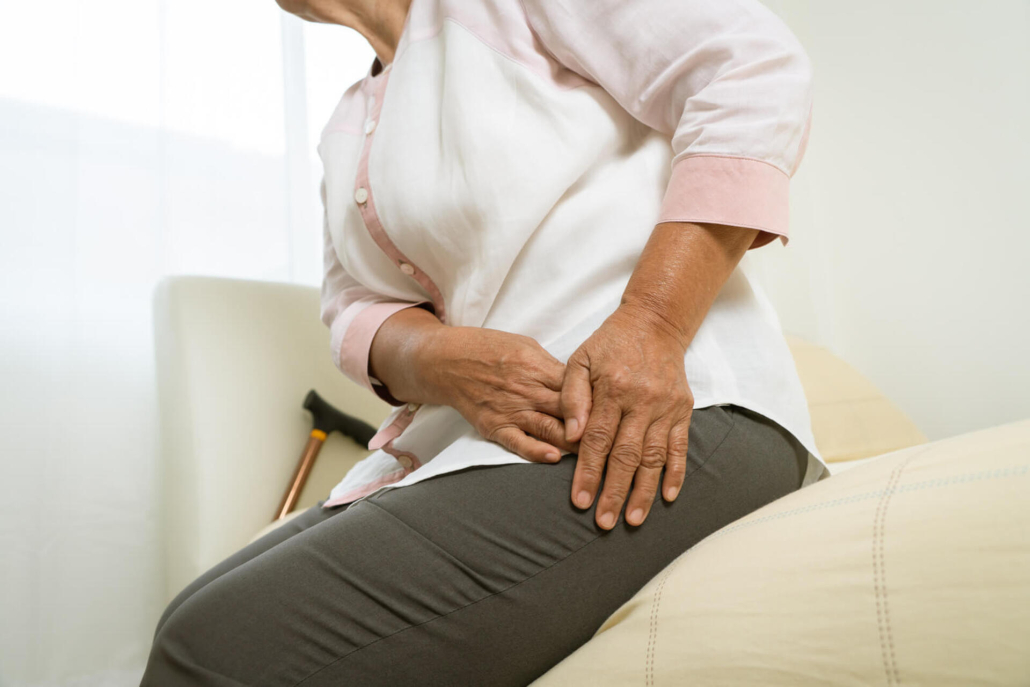
Groin and Hip Flexor Strains: Why Skaters Get Them and How to Recover
Groin and hip flexor strains happen when the muscles that drive your skating or running stride are stretched or loaded beyond what they can handle. You might feel a sudden pull during a hard push-off, or an ache that slowly builds over a few sessions. Mild strains often improve within a few weeks with the right mix of rest from aggravating activity and gradual strengthening. More significant tears take longer, and coming back too early is the most common reason these injuries return.
These injuries are especially common in hockey players, runners, soccer players and anyone who sprints, kicks or changes direction quickly.
Groin strain vs. hip flexor strain: what’s the difference?
Both injuries affect the hip, but they involve different muscle groups:
- Groin (adductor) strain: The adductors run along the inside of your thigh and pull your leg toward the midline. A strain usually causes pain high on the inner thigh, near where the leg meets the pelvis. It often hurts to squeeze your knees together or to push off sideways.
- Hip flexor strain: The hip flexors sit at the front of the hip and lift your knee toward your chest. A strain usually causes pain at the front of the hip or top of the thigh. It often hurts to lift your knee, climb stairs or sprint.
Some injuries involve both areas, and other conditions can cause similar pain. A proper assessment helps make sure you’re treating the right problem.
Why skaters and runners are at risk
In skating, each stride pushes the leg out to the side and back. The adductors then have to work hard to bring it back in while controlling the movement at speed. Sprinting and kicking place similar sudden loads on the hip flexors.
Common risk factors include:
- Weak inner-thigh muscles relative to the outer hip
- A previous groin or hip injury
- Early-season training after a less active period
- Fatigue late in a game or long training block
- Skipping a proper warm-up
Strength matters more than many players realize. In a study of professional hockey players, those who went on to strain a groin muscle had about 18% lower inner-thigh strength before the season. Players whose inner-thigh strength was below 80% of their outer-hip strength were about 17 times more likely to be injured. A follow-up study found that a six-week preseason strengthening program helped reduce groin strains on the same team.
How serious is my strain?
Muscle strains are often described in three grades:
| Grade | What it means | What you might notice |
|---|---|---|
| 1 (mild) | Overstretching with minor fibre damage | Tightness or discomfort, but you can still walk and move fairly normally |
| 2 (moderate) | Partial tear of the muscle | Sharp pain, weakness, possible bruising and difficulty skating or running |
| 3 (severe) | Complete or near-complete tear | Severe pain, significant weakness, bruising, and trouble walking |
If you felt a pop, have significant bruising or can’t walk comfortably, see a health care provider promptly.
Recovery: what to expect
Every recovery plan should be built around the individual. However, most follow a similar path:
Stage 1: Calm it down (first few days)
Reduce activities that cause sharp pain, but keep moving gently. Complete rest usually isn’t necessary for mild strains. Ice or heat can help with comfort.
Stage 2: Restore movement and begin strengthening
Once pain settles, gentle range-of-motion work and light strengthening begin. For the groin, this often starts with simple squeezing exercises that are progressed over time.
Stage 3: Build strength and control
Exercises become more demanding and more specific to your sport. Side-lying and standing hip exercises, lunges, and progressions like the Copenhagen adduction exercise are common in groin rehab. Hip flexor rehab builds strength through the full range of knee lifting.
Stage 4: Return to sport
Skating, running and agility drills are reintroduced gradually. You progress from easy efforts to full-speed pushes, cuts and shots before returning to games.
How physiotherapy helps
A physiotherapist can confirm which muscle is involved, estimate the grade, and rule out other causes of hip and groin pain. From there, they’ll guide you through each stage of recovery at the right pace. That includes:
- measuring strength on both sides so you know when you’re truly ready
- adjusting exercises week by week based on how you respond
- addressing contributing factors like hip mobility, core control and training load
- planning a gradual return to your sport
For hockey players, our hockey injury physiotherapy page explains more about sport-specific rehab.
How to lower your risk
- Add inner-thigh and hip strengthening to your routine, both before and during the season
- Warm up with dynamic movements like leg swings, lateral lunges and light skating or jogging
- Increase training volume gradually after time off
- Don’t ignore early tightness or pain in the groin or front of the hip
Frequently asked questions
How long does a hip flexor strain take to heal?
Mild strains often improve within one to three weeks. Moderate strains can take four to eight weeks, and severe tears may take longer. Your timeline depends on the grade and how your rehab progresses.
Should I stretch a pulled groin?
Gentle movement is helpful, but aggressive stretching in the first few days can irritate the injury. Strengthening is generally more important than stretching for groin recovery.
Heat or ice for a groin strain?
Either can help with comfort. Many people prefer ice in the first couple of days and heat afterward to ease stiffness.
Can I keep skating with a mild groin strain?
Playing through pain often turns a minor strain into a bigger one. It’s best to reduce skating until you can move without sharp pain, then build back up gradually.
When should I see a physiotherapist?
If pain lasts more than a few days, keeps coming back, or stops you from skating, running or walking normally, an assessment is worthwhile.
Get back to full stride
Groin and hip flexor strains are frustrating, but with a clear plan most players and runners return to their sport. For more on hockey-specific injuries, read our guide to common hockey injuries. If a strain is holding you back, the team at Spectrum Physiotherapy in Newmarket can assess it and build a recovery plan around you. We welcome athletes from across York Region. Contact us to learn more or book an assessment.



Leave a Reply
Want to join the discussion?Feel free to contribute!