

What Does Physiotherapy for Degenerative Disc Disease Involve?
If you have been diagnosed with degenerative disc disease, you may be wondering what your options are and whether physiotherapy can actually help. The short answer is yes — and for many people, physiotherapy is one of the most effective tools available for managing this condition without relying solely on medication or pursuing surgery.
This article explains what degenerative disc disease is, how it affects your body, and — most importantly — what physiotherapy treatment actually looks like and what it can do for you.
What Is Degenerative Disc Disease?
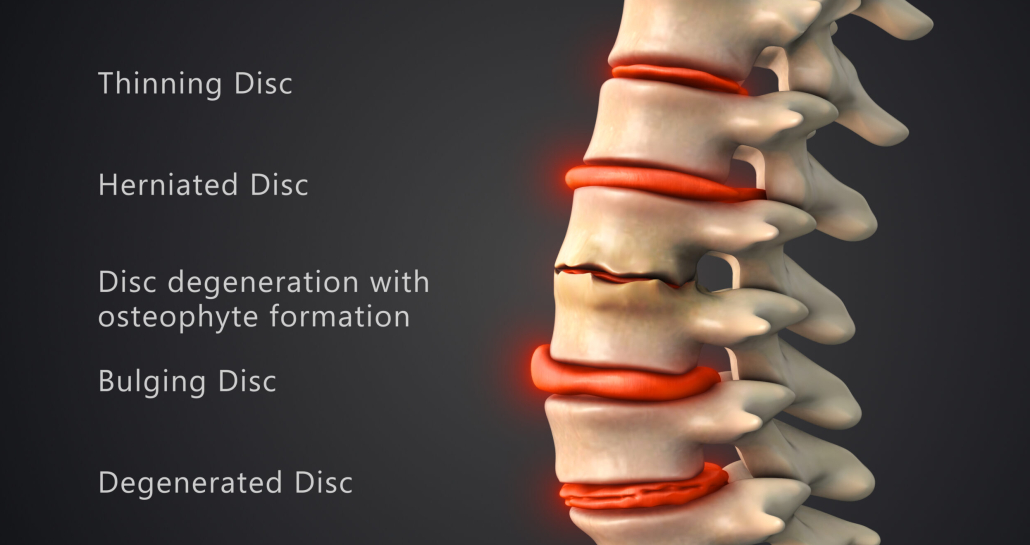
Despite its name, degenerative disc disease is not technically a disease. It is a term used to describe the natural wear and breakdown of the intervertebral discs that sit between the bones of the spine. These discs act as cushions, absorbing shock and allowing the spine to move. Over time, they can lose hydration, reduce in height, and become less effective at their job.
This process is a normal part of aging, but in some people it causes significant pain, stiffness, or neurological symptoms such as tingling or weakness in the arms or legs — depending on which area of the spine is affected. The lumbar spine (lower back) and cervical spine (neck) are the most commonly involved regions.
Symptoms can vary widely from person to person. Some individuals have notable disc degeneration on imaging but experience little discomfort, while others with milder changes have considerable pain and functional limitation. This is why individualized assessment and treatment are so important.
How Physiotherapy Helps with Degenerative Disc Disease
Physiotherapy takes a comprehensive approach to managing degenerative disc disease. Rather than focusing only on pain relief, treatment aims to improve the way your spine moves and is supported, reduce stress on the affected discs, and help you manage your symptoms more effectively over time.
The specific treatments used will depend on your individual assessment — including the location and severity of your symptoms, your posture and movement patterns, your strength and flexibility, and how the condition is affecting your daily function.
Types of Physiotherapy Treatments for Degenerative Disc Disease
Manual Therapy Manual therapy involves hands-on techniques applied by a physiotherapist to the spine and surrounding structures. This may include joint mobilization, which uses controlled, gentle movements to improve spinal mobility and reduce stiffness. It can also involve soft tissue techniques to address muscle tension and tightness in the back, neck, and hips. Manual therapy is often used in the earlier stages of treatment to reduce pain and improve range of motion, making it easier to engage in active rehabilitation.
Therapeutic Exercise Exercise is one of the most important components of physiotherapy for degenerative disc disease. A tailored exercise program typically targets the muscles that support and stabilize the spine — particularly the deep core muscles, which play a key role in reducing load on the discs. Strengthening the hips and glutes is also commonly addressed, as weakness in these areas often contributes to increased stress on the lumbar spine. Exercises are introduced gradually and progressed as your strength and tolerance improve.
Postural Assessment and Correction Poor posture over time can accelerate disc stress and worsen symptoms. Your physiotherapist will assess your posture in standing, sitting, and during movement, and work with you to identify habits or positions that may be contributing to your pain. Practical strategies for improving posture at work, at home, and during daily activities are a core part of this approach — particularly for people who spend long periods sitting.
Flexibility and Mobility Work Stiffness in the spine and the muscles surrounding it can limit movement and increase discomfort. Stretching and mobility exercises help restore movement to restricted areas, reduce muscular tension, and allow the spine to function more effectively. These exercises are typically prescribed as part of a home program to be performed regularly between appointments.
Education and Activity Modification Understanding your condition and how to manage it day to day is a significant part of physiotherapy. Your physiotherapist will explain how movement, load, and lifestyle factors affect your symptoms, and provide guidance on modifying activities to avoid unnecessary aggravation. This kind of education helps patients feel more in control of their condition and less reliant on passive treatments alone.
Acupuncture Acupuncture may be incorporated as a complementary treatment for some patients with degenerative disc disease, particularly those dealing with persistent pain or muscle tension. It can be used alongside other physiotherapy treatments to help manage pain and support the overall recovery process.
Neural Mobilization When disc degeneration leads to symptoms such as radiating pain, numbness, or tingling into the arms or legs, neural mobilization techniques may be used. These are gentle movements designed to restore normal movement and sensitivity of the nerves, helping to reduce referred symptoms caused by nerve irritation or compression.
Hydrotherapy and Low-Impact Movement Guidance For patients who find weight-bearing exercise difficult, low-impact activities such as walking, swimming, or cycling may be recommended as part of the treatment plan. These activities allow the spine to be moved and loaded in a tolerable way, supporting disc health and overall fitness without placing excessive stress on the affected area.
The Importance of a Personalized Treatment Plan
No two people with degenerative disc disease present in exactly the same way, and treatment should reflect that. A physiotherapist will conduct a thorough assessment before recommending any specific interventions, taking into account your symptoms, health history, goals, and how the condition is affecting your quality of life.
Your treatment plan will be adjusted as you progress. What is appropriate in the early stages of care may look quite different from what is needed several weeks in. The focus gradually shifts from managing pain to building strength, improving function, and equipping you with the tools to self-manage your condition over the long term.
Living Well with Degenerative Disc Disease
Degenerative disc disease is a chronic condition, which means managing it well is an ongoing process. The good news is that with consistent effort and the right support, many people are able to significantly reduce their pain, improve their mobility, and continue doing the activities they care about.
Physiotherapy gives you practical strategies — not just for symptom relief, but for understanding your body and making choices that support your spinal health over time. Many patients find that maintaining a home exercise program and staying active between appointments makes a meaningful difference in how they feel day to day.
Frequently Asked Questions
Is physiotherapy safe for degenerative disc disease? Yes. Physiotherapy is considered a safe and effective first-line approach for managing degenerative disc disease. Your physiotherapist will tailor all treatments to your current symptoms and ensure that exercises and techniques are appropriate for your level of function.
Can physiotherapy prevent degenerative disc disease from getting worse? While physiotherapy cannot reverse disc degeneration, it can help manage symptoms, improve spinal support, and reduce the mechanical stress that contributes to further breakdown. Staying active and maintaining strength around the spine is widely supported as a strategy for slowing symptom progression.
What is the difference between degenerative disc disease and a herniated disc? A herniated disc occurs when the inner material of a disc pushes through its outer layer and may press on nearby nerves. Degenerative disc disease refers to the broader process of disc wear and breakdown. The two conditions can occur together, and physiotherapy is commonly used to manage both.
How long will it take to notice improvement with physiotherapy? This varies depending on the severity of your symptoms and how you respond to treatment. Some patients notice improvement within a few sessions; for others, progress is more gradual. Your physiotherapist will set realistic expectations based on your individual assessment and monitor your response throughout your care.
Do I need imaging results before starting physiotherapy? Not necessarily. A physiotherapist is trained to assess your condition clinically and can begin treatment without imaging. That said, if you have had recent scans, bringing those results to your appointment can be helpful in guiding your care.
Physiotherapy for Degenerative Disc Disease in Newmarket and York Region
Dealing with the pain and limitations of degenerative disc disease can be frustrating, but you do not have to manage it alone. Physiotherapy offers a structured, evidence-informed path to reducing pain, improving function, and building the resilience your spine needs for the long term.
Spectrum Physiotherapy is based in Newmarket and serves patients throughout York Region. Every patient receives an individualized assessment and a treatment plan built around their specific needs and goals. If you are living with back or neck pain related to degenerative disc disease, we encourage you to book an assessment and find out how we can help.



Leave a Reply
Want to join the discussion?Feel free to contribute!