
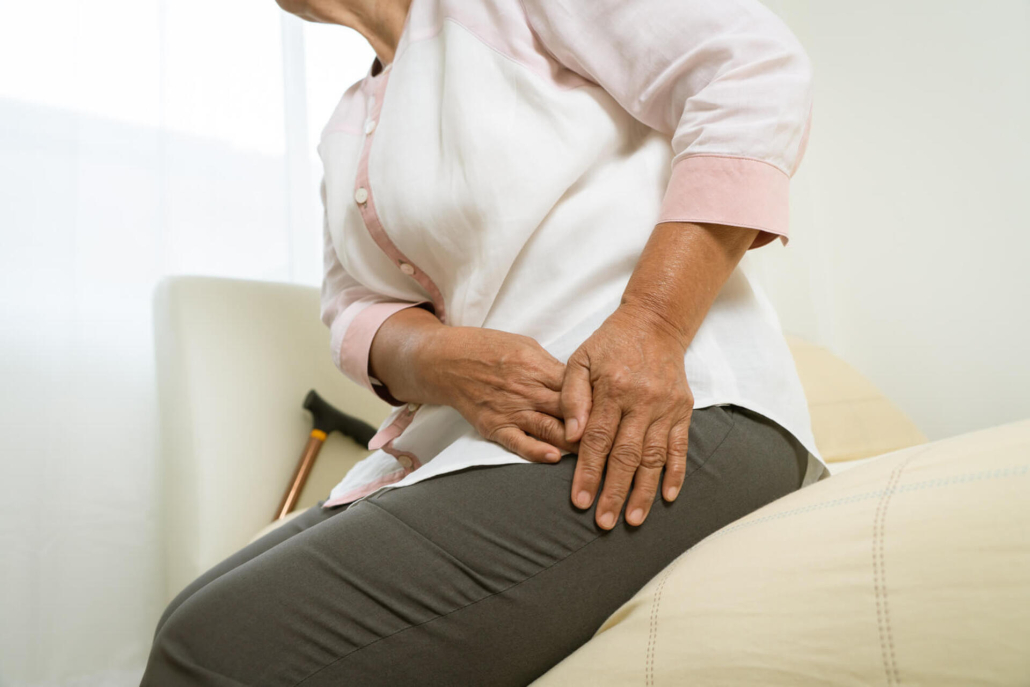
Physiotherapy for Hip Osteoarthritis in Older Adults
Hip osteoarthritis is one of the most common causes of pain and reduced mobility in older adults. It can make everyday activities — walking, climbing stairs, getting up from a chair — feel more difficult and uncomfortable than they used to. While hip osteoarthritis is a chronic condition, it does not have to mean a steady decline in function or quality of life.
Physiotherapy is a well-supported, non-invasive approach to managing hip osteoarthritis. With the right treatment plan, older adults are able to reduce their pain, move with greater ease, and maintain their independence for longer.
What Is Hip Osteoarthritis?
Osteoarthritis is a degenerative joint condition in which the cartilage that cushions the ends of the bones gradually breaks down over time. In the hip, this can lead to pain, stiffness, and reduced range of motion. The hip joint may also develop bone spurs as the body attempts to compensate for the loss of cartilage.
Hip osteoarthritis tends to develop slowly and worsen gradually. Symptoms are often more pronounced in the morning or after periods of inactivity, though many people also experience discomfort after prolonged activity.
Common symptoms include:
- Aching or stiffness in the hip, groin, thigh, or buttock area
- Reduced ability to move the hip through its full range of motion
- A grating or catching sensation in the joint
- Difficulty with activities such as walking, bending, or standing for extended periods
- Changes in gait or the way you walk
Why Physiotherapy Is Recommended for Hip Osteoarthritis
Physiotherapy is consistently recommended as a first-line approach for managing hip osteoarthritis. Research supports exercise and movement-based therapy as effective tools for reducing pain and improving function — often more so than rest or passive treatments alone.
A physiotherapist assesses how your hip is moving, identifies areas of weakness or restriction, and creates a personalized plan to address those factors. The goal is not to reverse the structural changes in the joint, but to help you move better, manage your symptoms, and maintain your ability to do the activities that matter to you.
How Physiotherapy Helps
Pain Management Physiotherapy uses a combination of hands-on techniques and targeted exercise to help reduce pain. Manual therapy, gentle joint mobilization, and soft tissue treatment can relieve tension around the hip and improve how the joint moves. Many patients experience meaningful relief even in the early stages of treatment.
Strengthening the Muscles Around the Hip When the muscles that surround and support the hip are strong and working properly, they help reduce the load on the joint itself. A physiotherapist will prescribe exercises focused on the hip, glutes, core, and thighs — all of which play a role in how well the hip functions during daily movement.
Improving Flexibility and Range of Motion Stiffness is one of the most limiting aspects of hip osteoarthritis. Stretching and mobility exercises help maintain the range of motion available in the joint and reduce the tightness that often builds up in the surrounding muscles and soft tissue.
Improving Balance and Stability Hip osteoarthritis can affect gait and balance, which increases the risk of falls in older adults. Physiotherapy includes balance and coordination work to help patients move more safely and confidently in their daily environment.
Education and Activity Guidance Understanding how to pace activity, modify movements, and manage flare-ups is an important part of living well with hip osteoarthritis. A physiotherapist provides practical guidance on how to stay active without unnecessarily aggravating the joint.
What to Expect from a Physiotherapy Assessment
At your first appointment, your physiotherapist will take time to understand your symptoms, medical history, and daily routine. They will assess the range of motion in your hip, the strength of the surrounding muscles, your gait, and how the condition is affecting your function overall.
From this assessment, a customized treatment plan is developed. This plan will be specific to your presentation — taking into account the severity of your symptoms, your fitness level, your goals, and any other health considerations. Treatment plans are adjusted as you progress and your needs change over time.
Managing Hip Osteoarthritis Over the Long Term
Hip osteoarthritis is a condition that benefits from ongoing management rather than a single course of treatment. Staying active, maintaining muscle strength, and continuing with prescribed exercises between appointments all contribute to better outcomes over time.
Physiotherapy helps patients develop the habits and knowledge they need to self-manage their condition effectively. This might include a home exercise program, advice on appropriate activities, and strategies for managing pain during daily life.
For some patients, hip replacement surgery is eventually considered. Physiotherapy plays a valuable role both before and after surgery — improving strength and mobility prior to the procedure, and supporting recovery and rehabilitation afterward.
Frequently Asked Questions
Is exercise safe if my hip is already painful? In most cases, yes. Appropriate exercise is one of the most beneficial things you can do for hip osteoarthritis, even when pain is present. Your physiotherapist will guide you through exercises that are suitable for your current level of symptoms and help you progress safely over time.
Will physiotherapy cure my hip osteoarthritis? Physiotherapy does not reverse the structural changes associated with osteoarthritis. However, it can significantly reduce pain, improve function, and help you maintain your quality of life. Many people with hip osteoarthritis manage their condition well with ongoing physiotherapy and exercise.
How many physiotherapy sessions will I need? This varies depending on the severity of your symptoms and how you respond to treatment. Some patients see meaningful improvement within a few sessions; others benefit from longer-term support. Your physiotherapist will discuss a realistic plan with you based on your individual situation.
I have other health conditions. Can I still do physiotherapy? Physiotherapy is generally appropriate for older adults with multiple health conditions. Your physiotherapist will take your full health history into account and tailor your treatment accordingly. If you have concerns, it is always a good idea to discuss them with both your physiotherapist and your family physician.
At what point should I consider seeing a physiotherapist for hip pain? If hip pain is affecting your ability to walk, sleep, or carry out daily activities, it is worth seeking an assessment. Early intervention can help slow the progression of symptoms and give you more tools for managing the condition.
Physiotherapy for Hip Osteoarthritis in Newmarket and York Region
Living with hip osteoarthritis can be challenging, but with the right support, many older adults are able to stay active, reduce their pain, and maintain their independence.
Spectrum Physiotherapy is based in Newmarket and serves patients throughout York Region. We provide individualized, evidence-informed care for older adults managing hip osteoarthritis and other conditions affecting movement and function. Each patient receives a customized treatment plan designed around their specific needs and goals.
If you or a family member is experiencing hip pain or stiffness, we encourage you to book an assessment and find out how physiotherapy can help.




Leave a Reply
Want to join the discussion?Feel free to contribute!